
Balance Exhibition
project details
ROLE
Project Lead, Architectural Designer
NATURE OF WORK
Commissioned
YEAR
2024
TYPOLOGY
Exhibition Design
SCOPE
Exhibition Design + Scenography + Furniture Design + Designed objects
AREA
8500 sq. ft.
LOCATION
Mumbai, India
WORKING WITH

PUBLISHED IN





The Balance exhibition brought the collection into the former ice factory at IF.BE, Mumbai. The scope extended from the furniture itself into scenography: the arrangement of objects, the sequence through the galleries, and the use of light, sound and display to shape how the work would be encountered. Having worked through the development and fabrication of the collection, I continued into the exhibition’s design and installation. This brought an understanding of each object’s construction into decisions about its presentation. Close coordination with craft workshops, fabricators, production teams and the venue carried the work from the workshop to its final position in the gallery. Transport, handling, assembly and installation were part of the same process. The exhibition required us to consider what it takes to present work we had helped make, and how the care invested in an object could remain perceptible beyond the workshop.

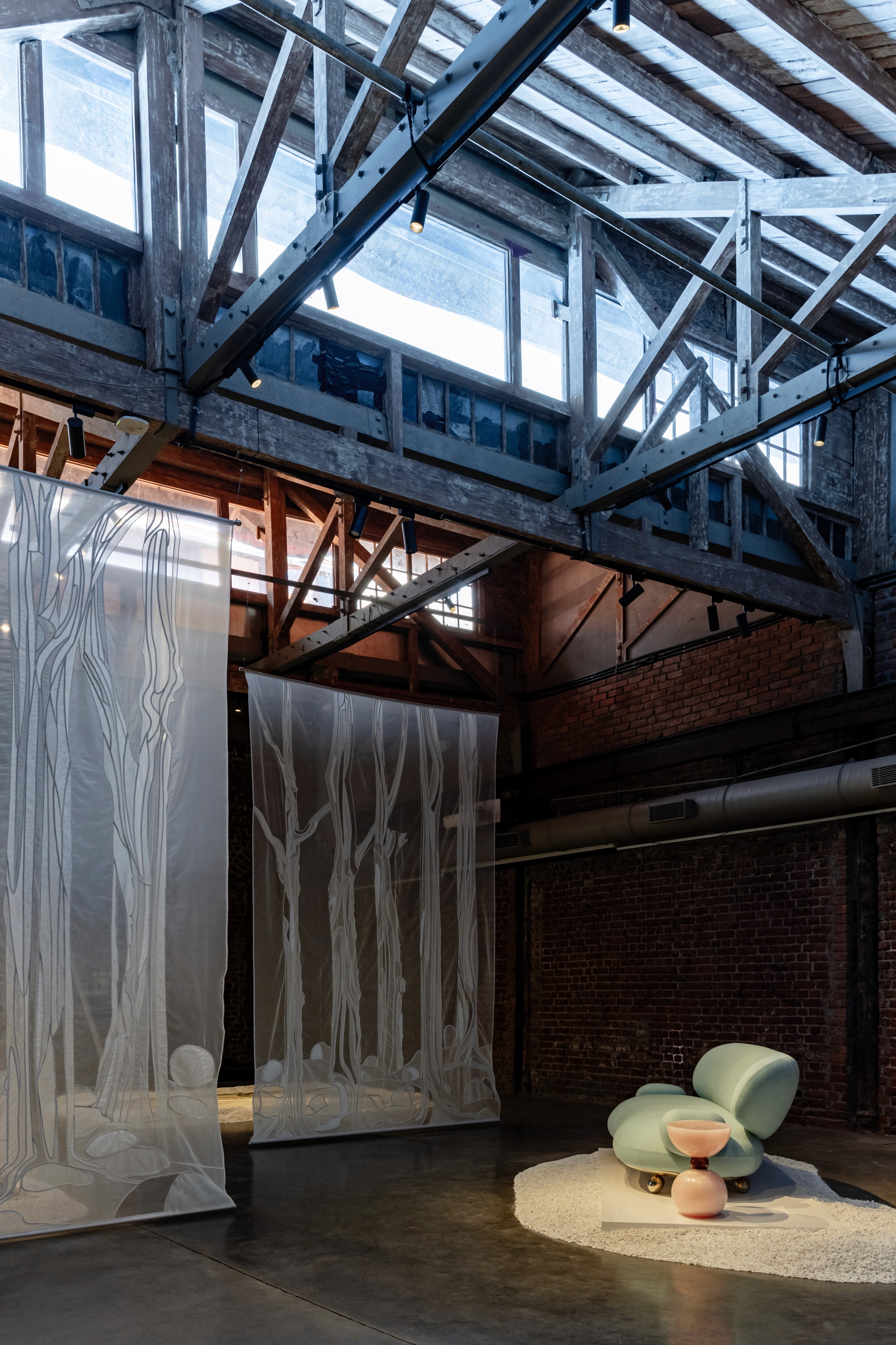
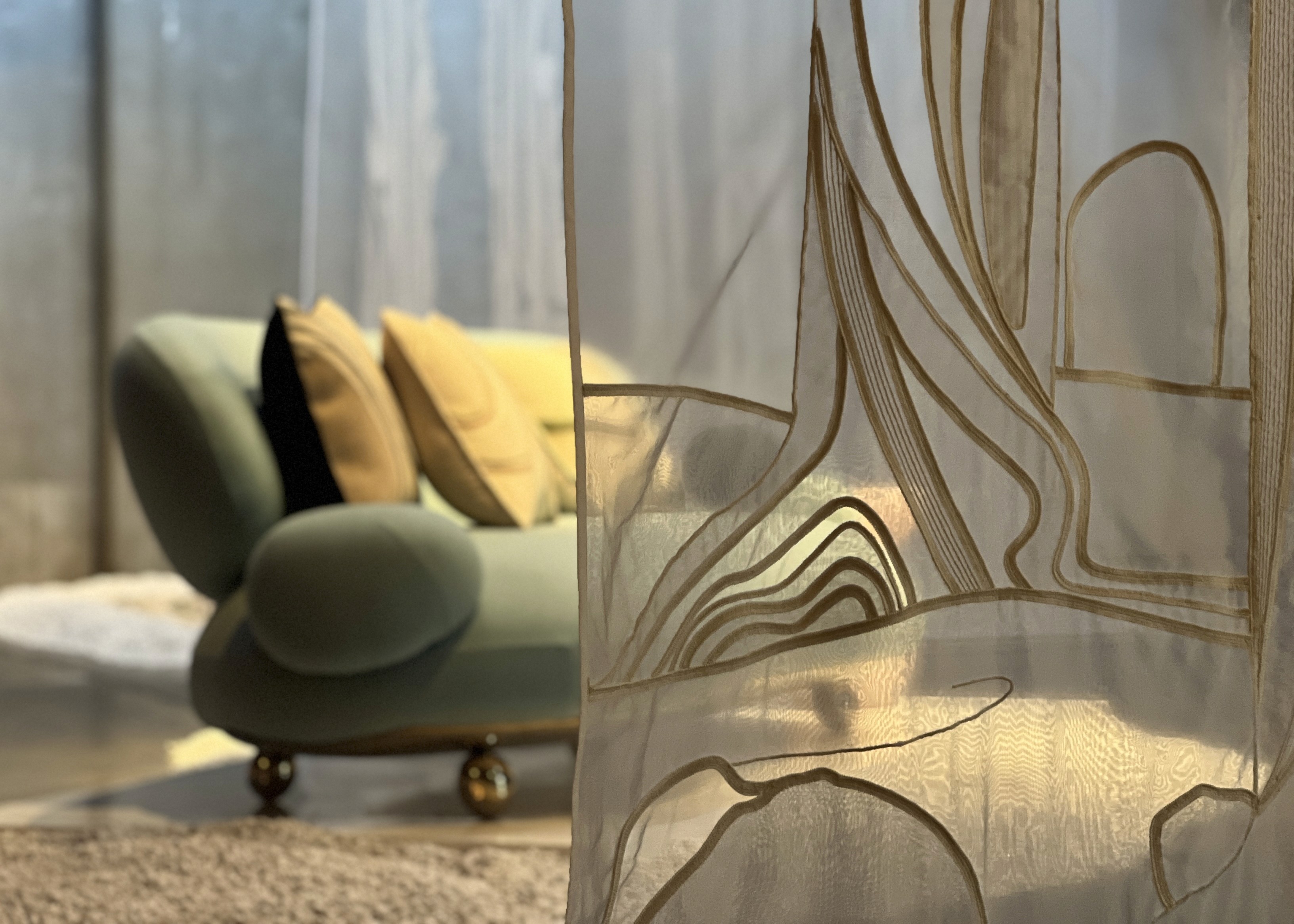
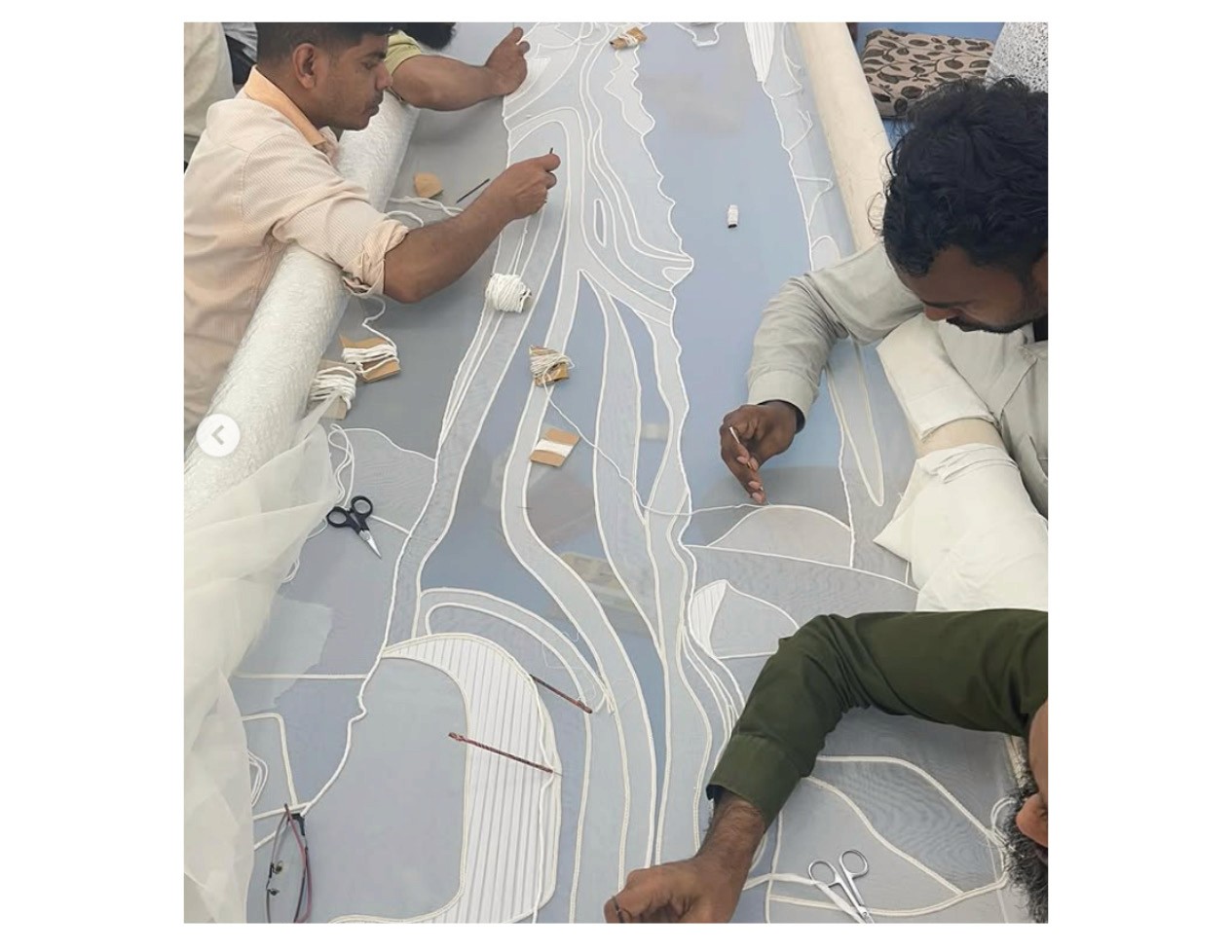
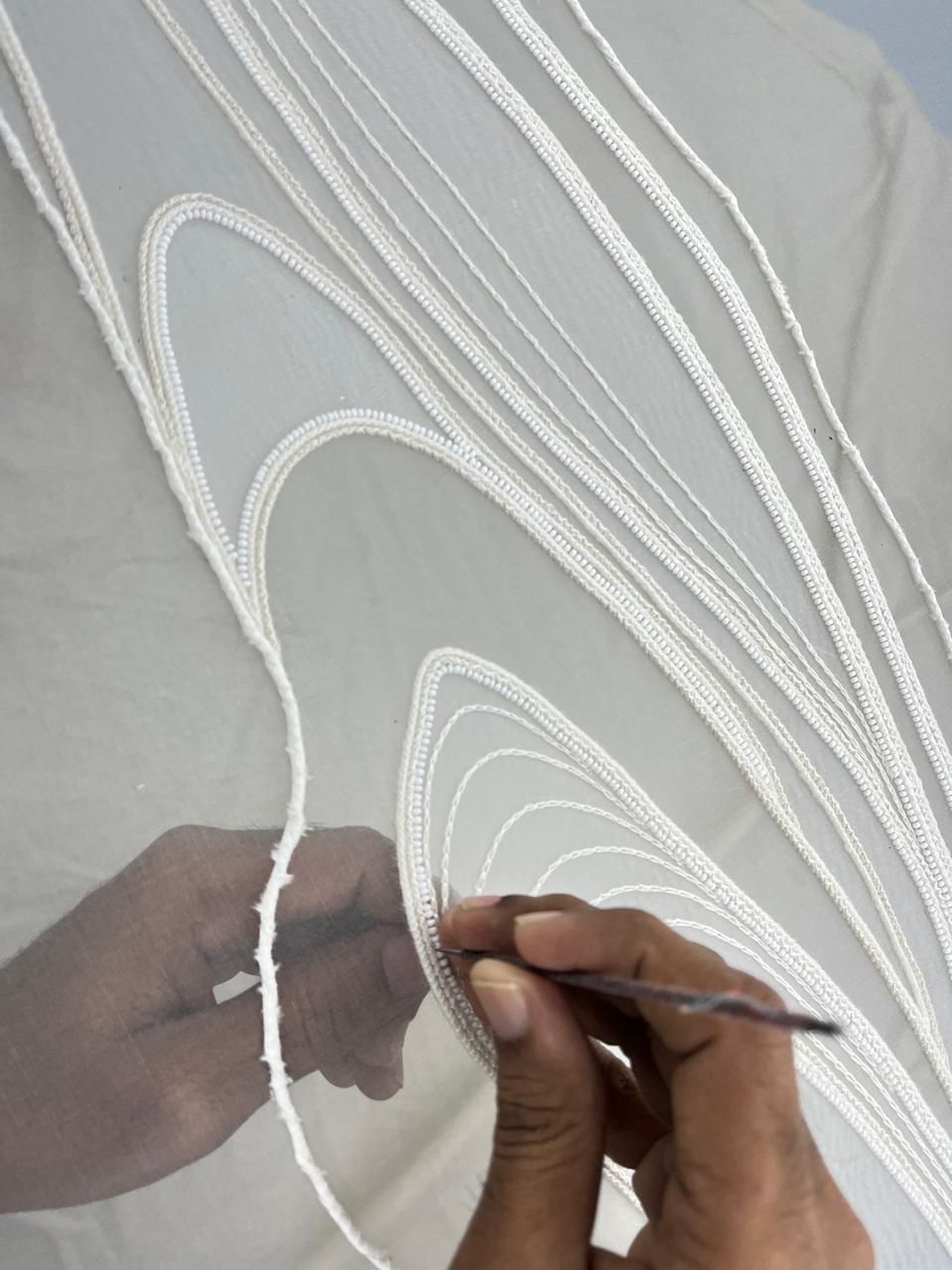
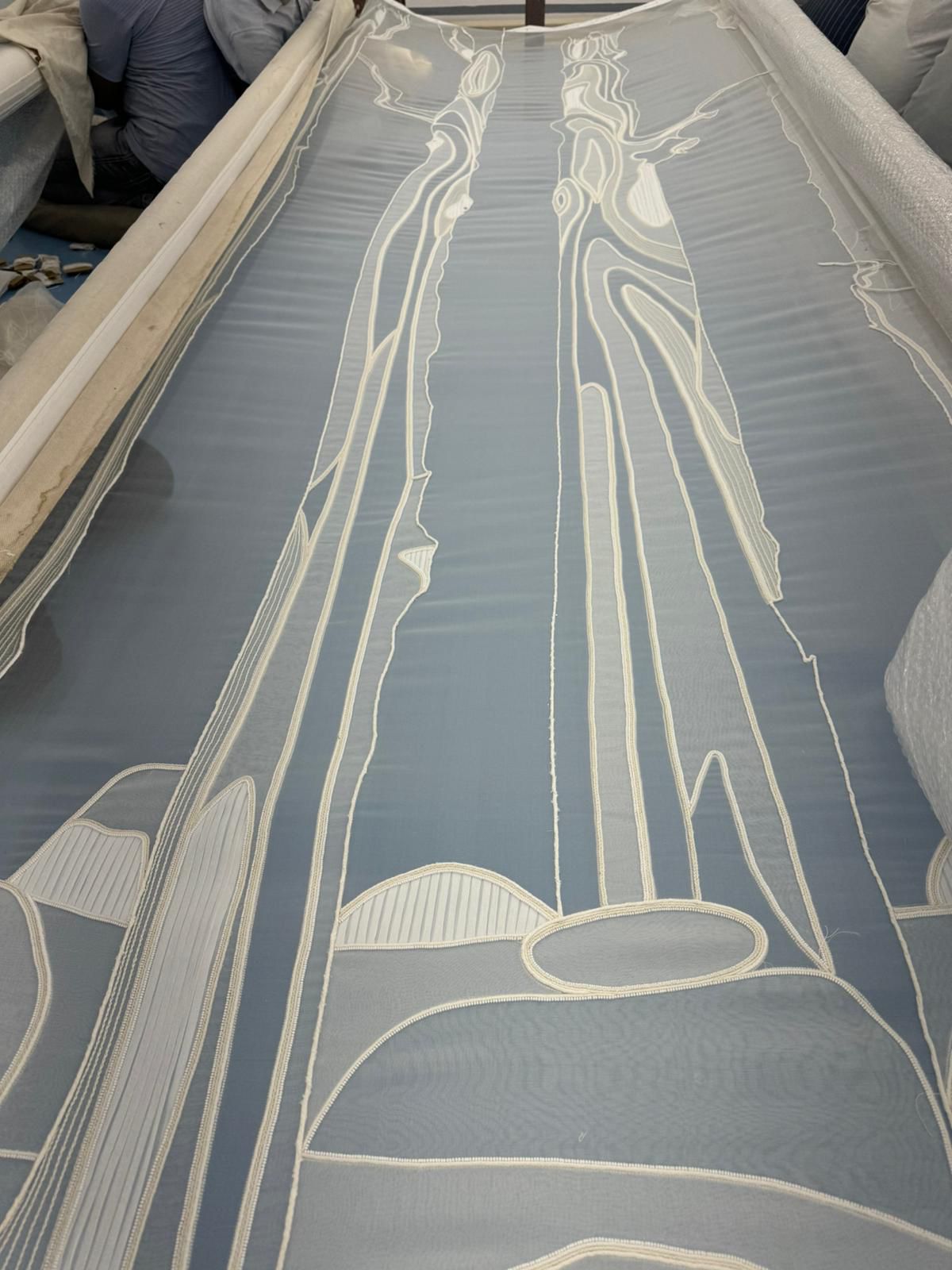
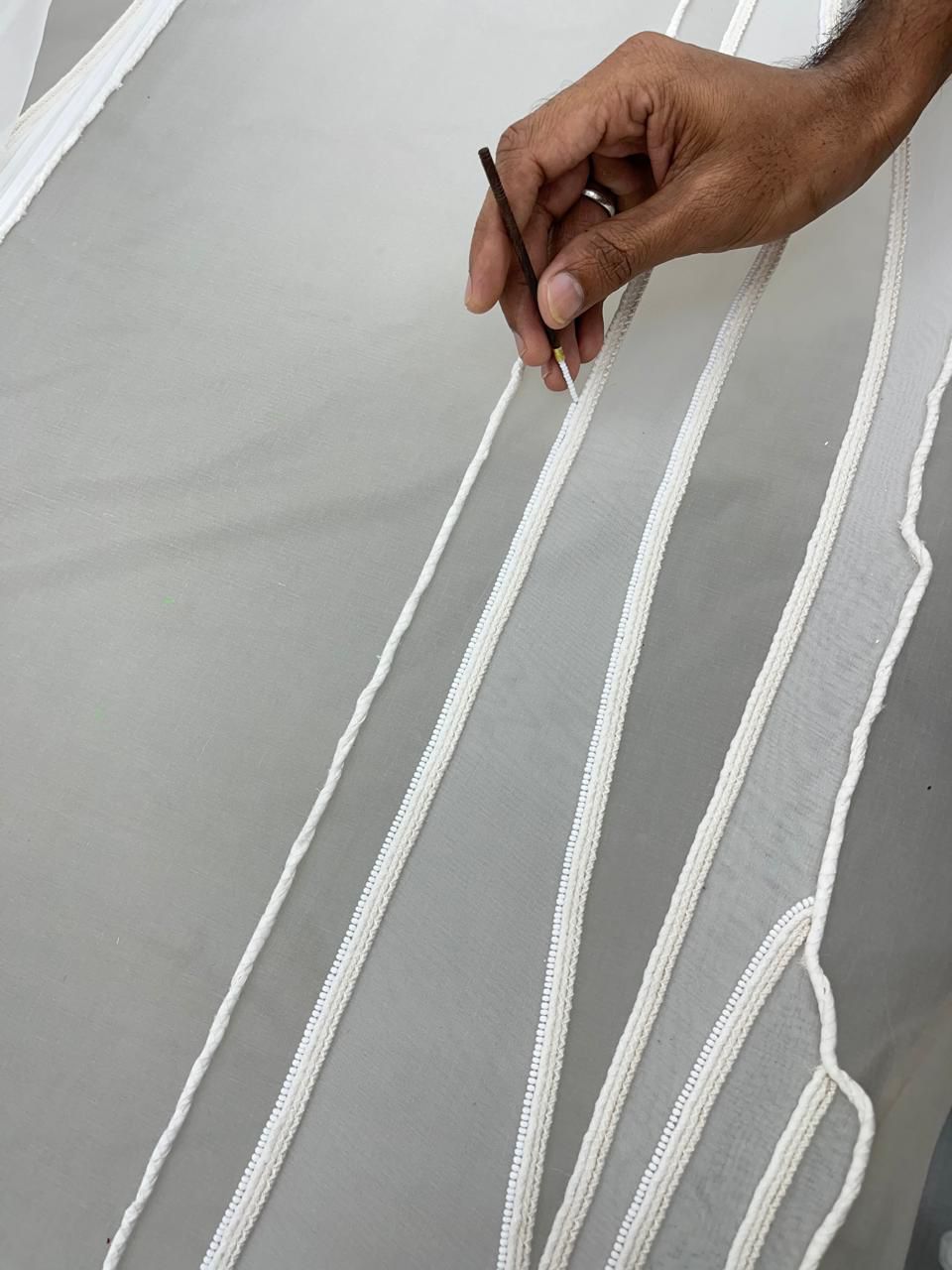
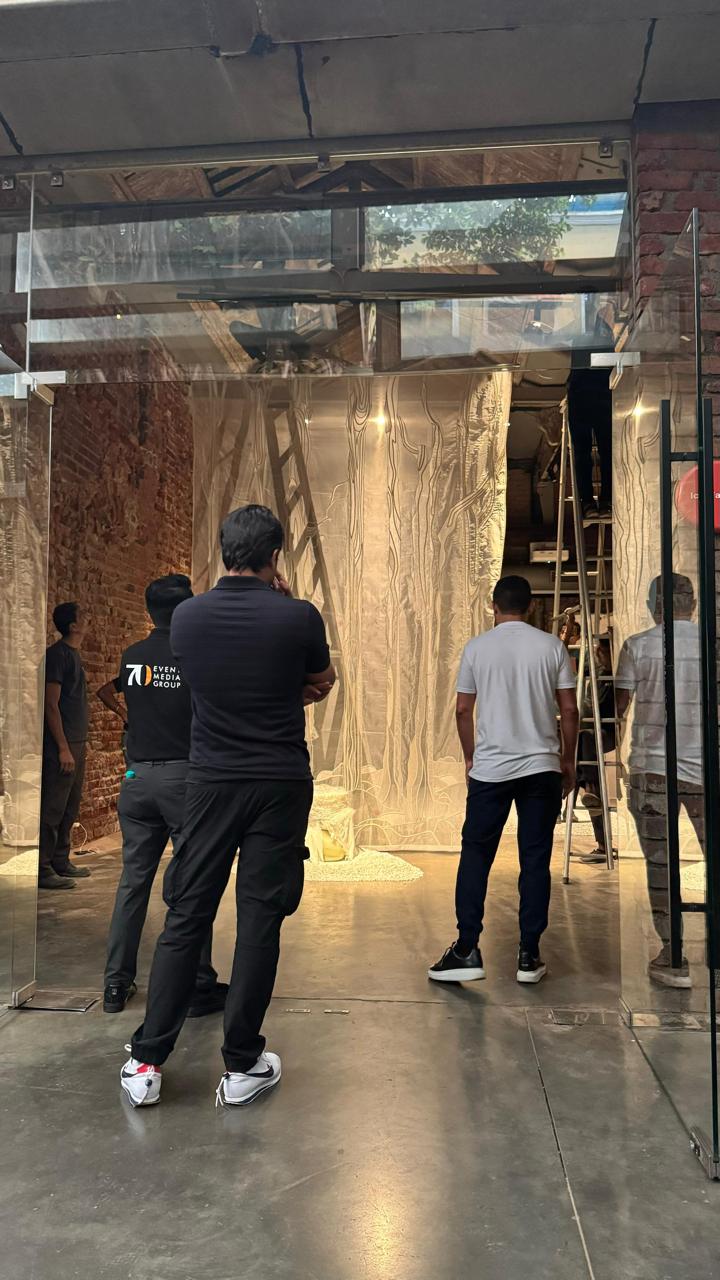
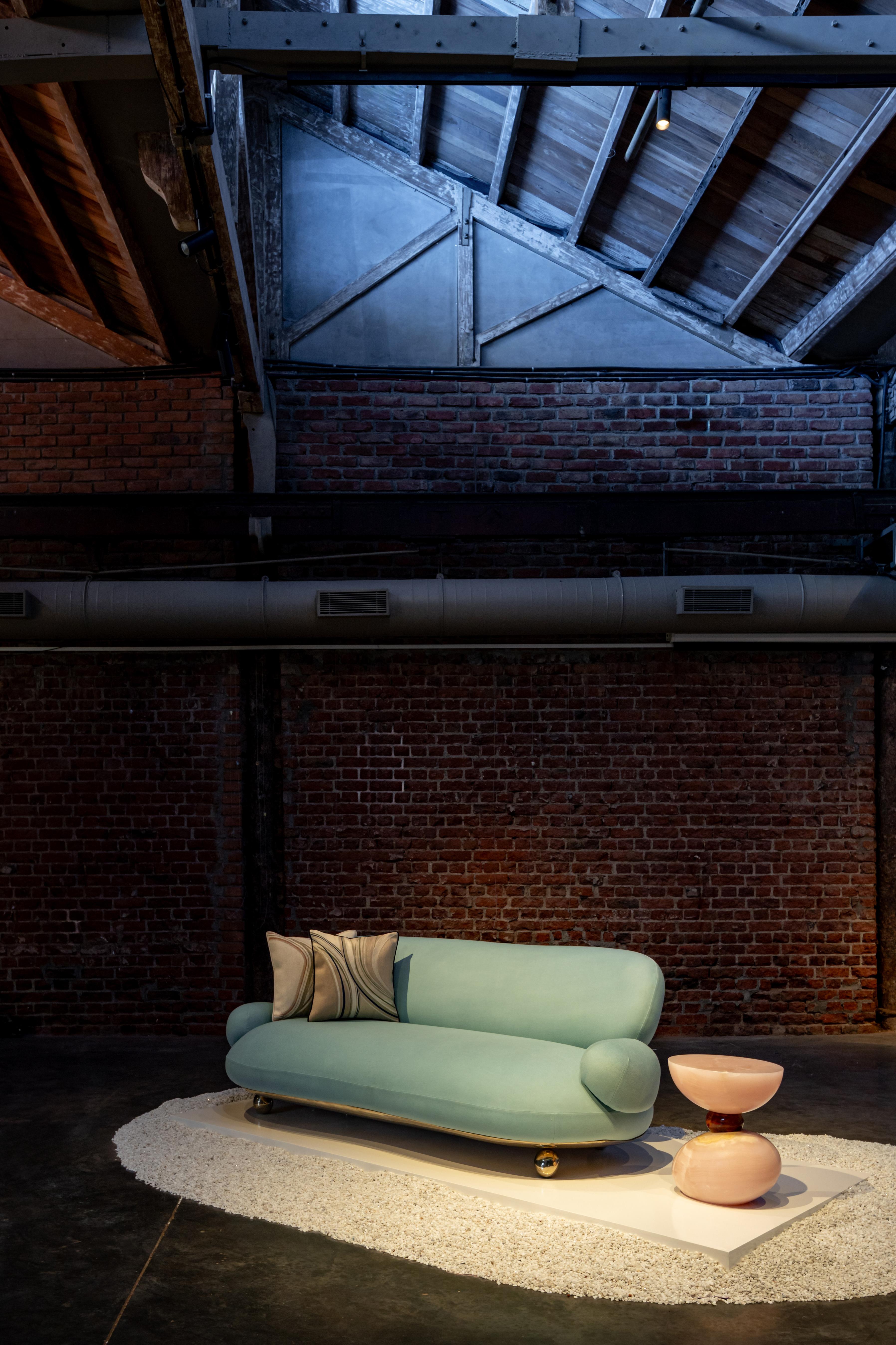
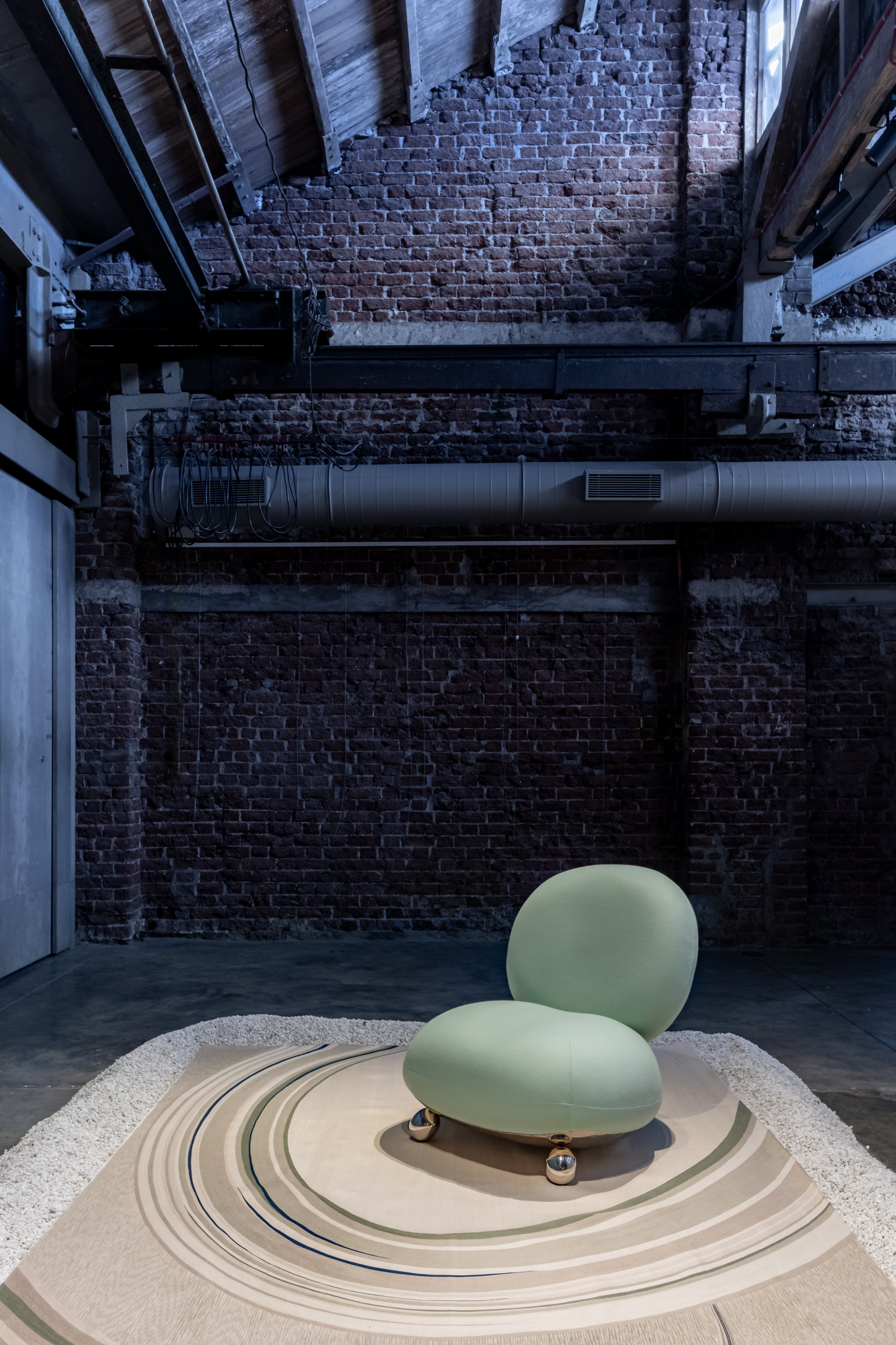
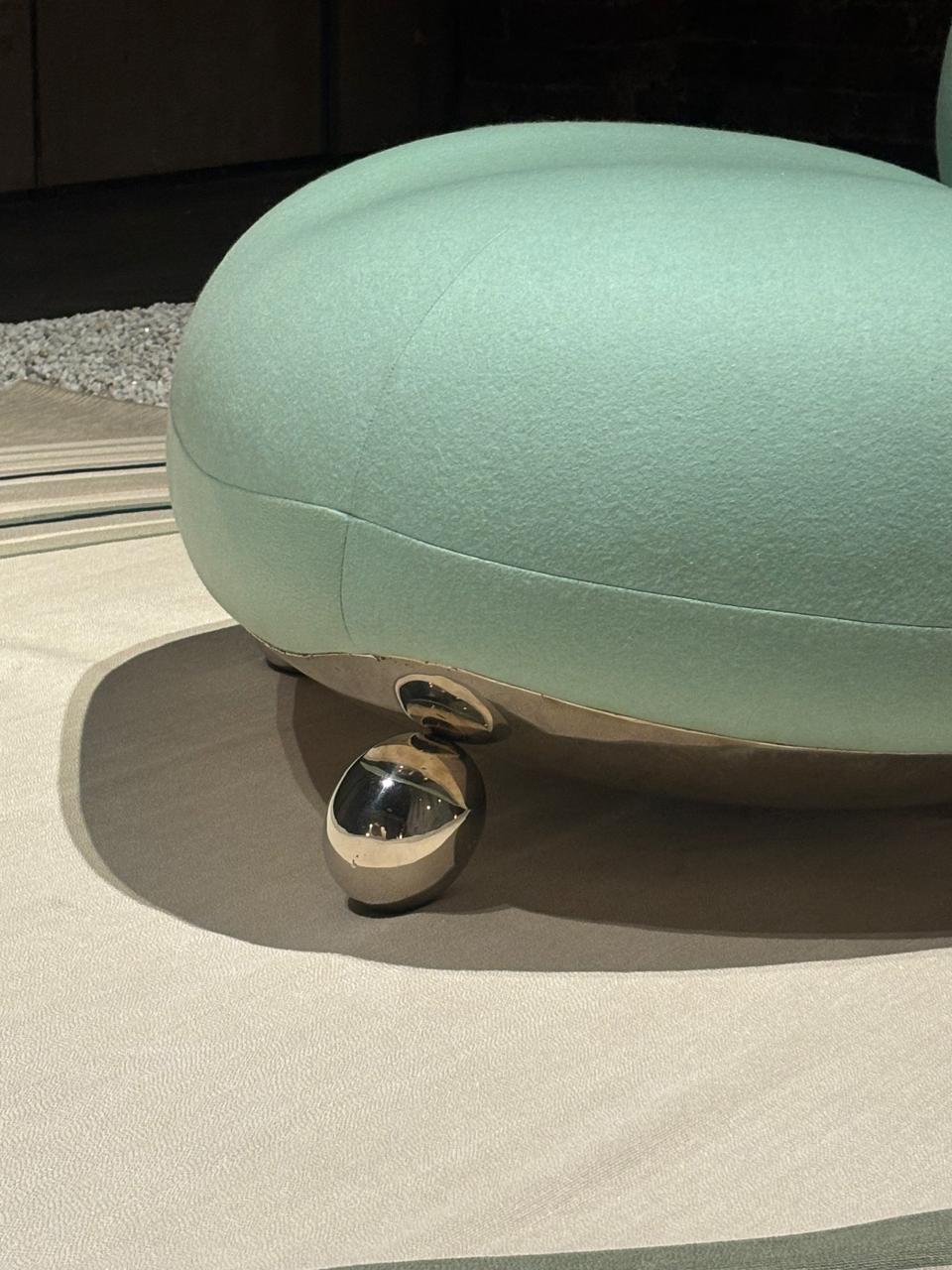
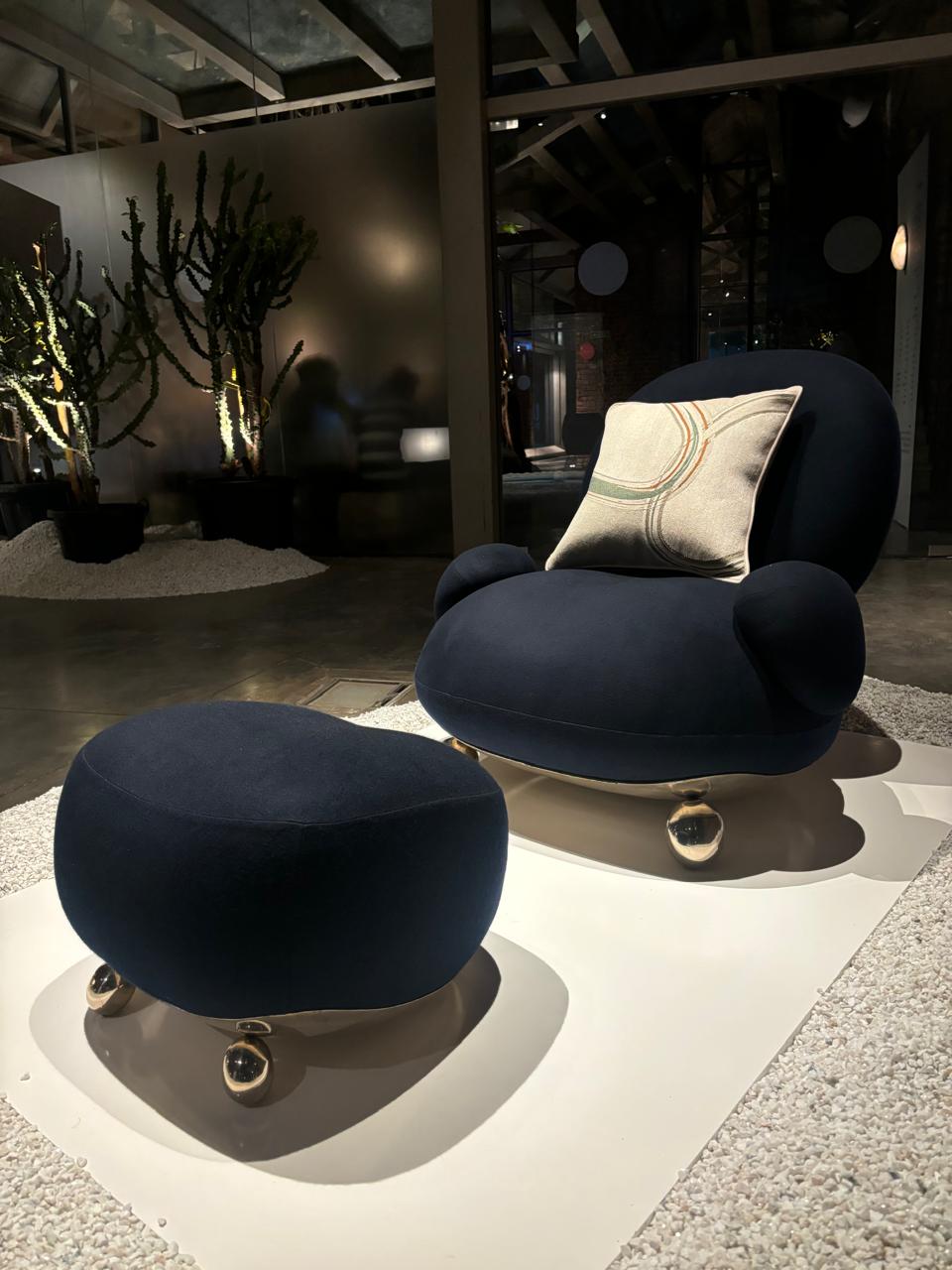
Set against the backdrop of an old Ice Factory, hand-embroidered sheer curtains divided the spaces while casting the silhouette of a forest. There are materials that do not typically exist together, like metal and stone and upholstery. The collection is an exploration on how the handmade and fabrication machines can come together. An homage to the skills of our diligent craftsmen across Jaipur and Mumbai, Balance is, quite simply, a symphony of paradox, an amalgamation of seemingly gravity-defying displays that render the laws of physics inconsequential, while in reality it relies solely on the uncompromising principles of structure.


Scenography

The scenography grew from knowing the objects closely. A carved underside needed to be seen; a point of support needed space around it; an embroidered surface needed light that revealed its depth. The exhibition made these qualities available through the visitor’s movement around the work.
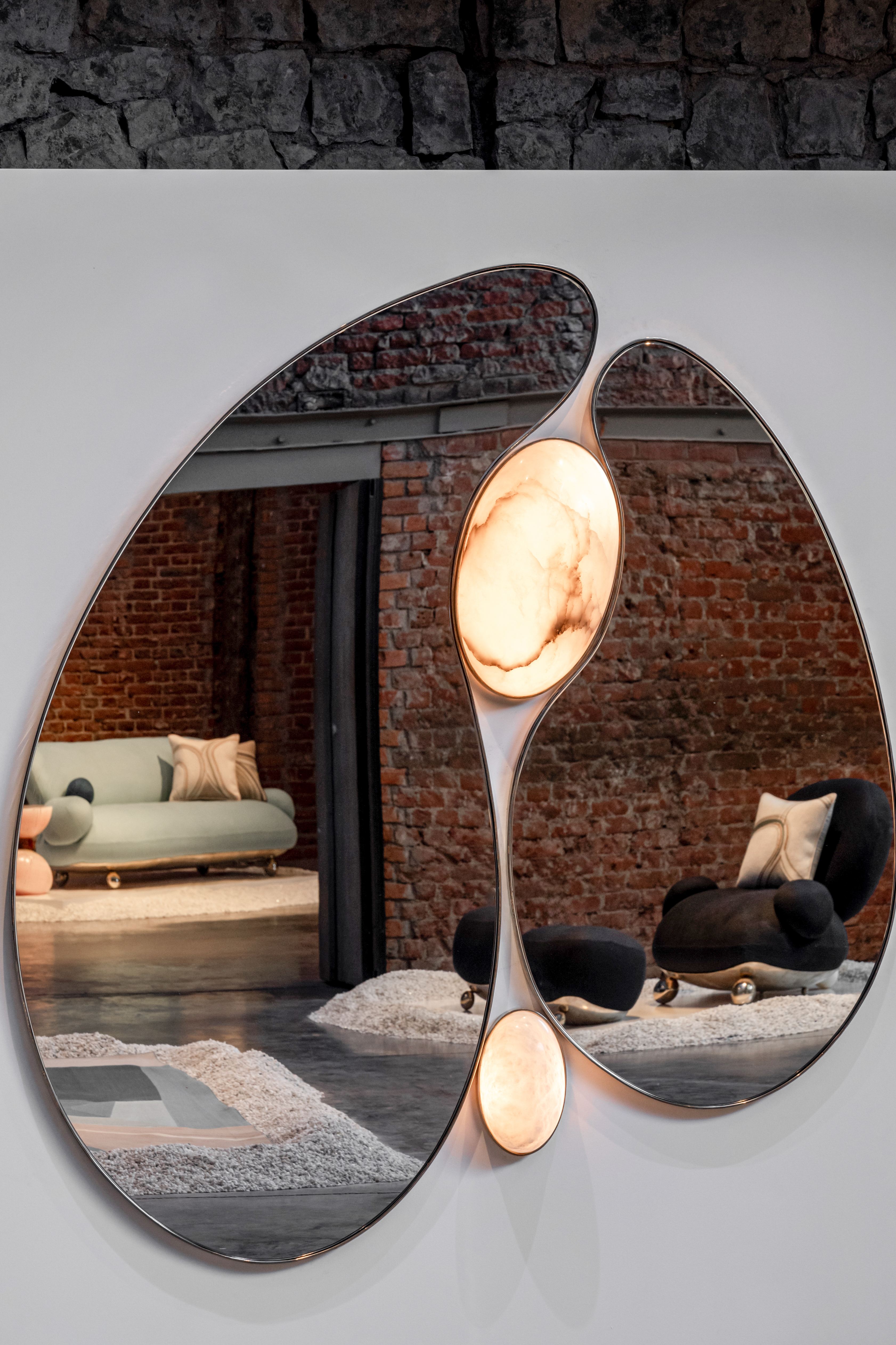
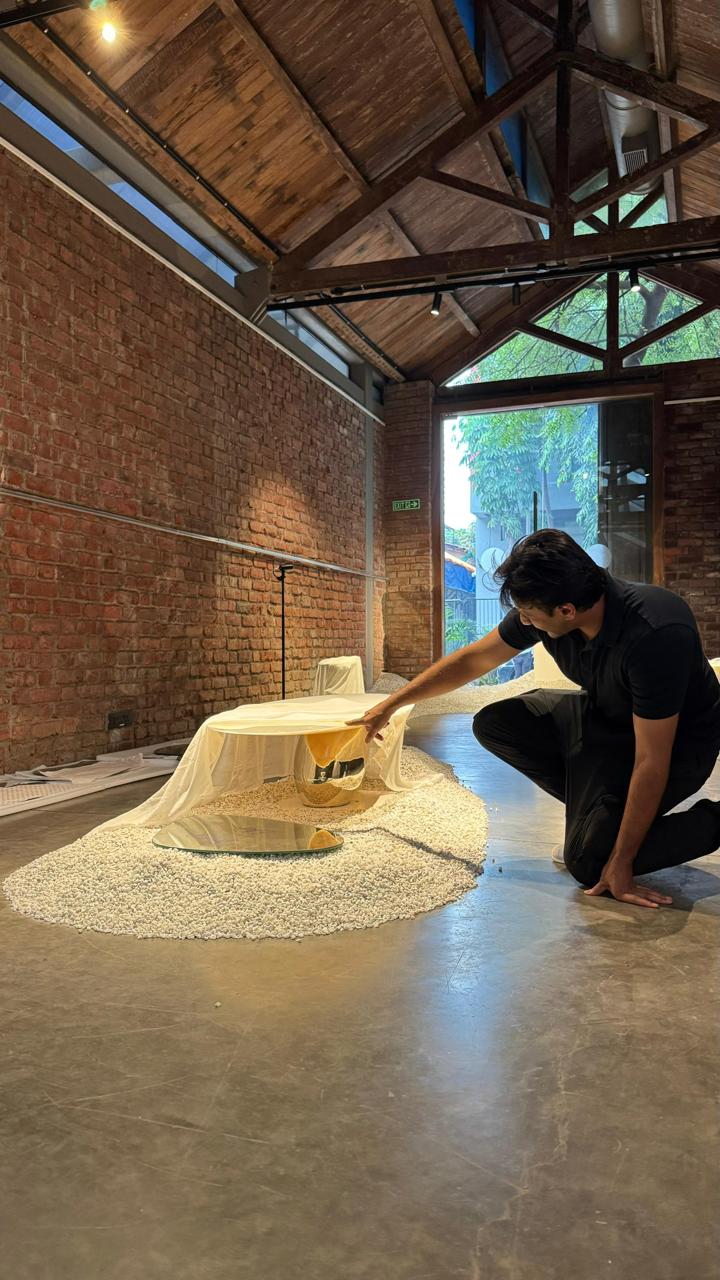
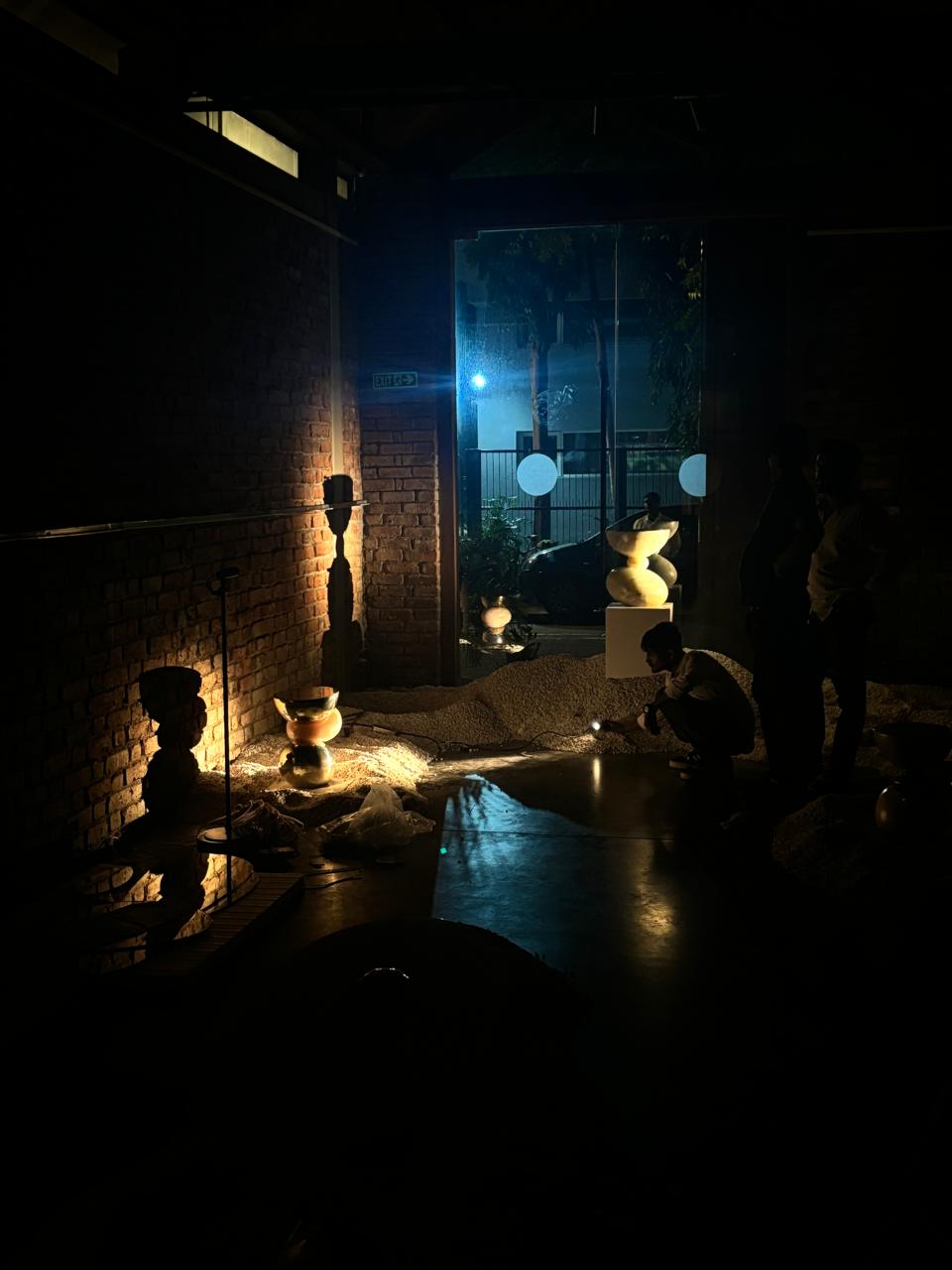
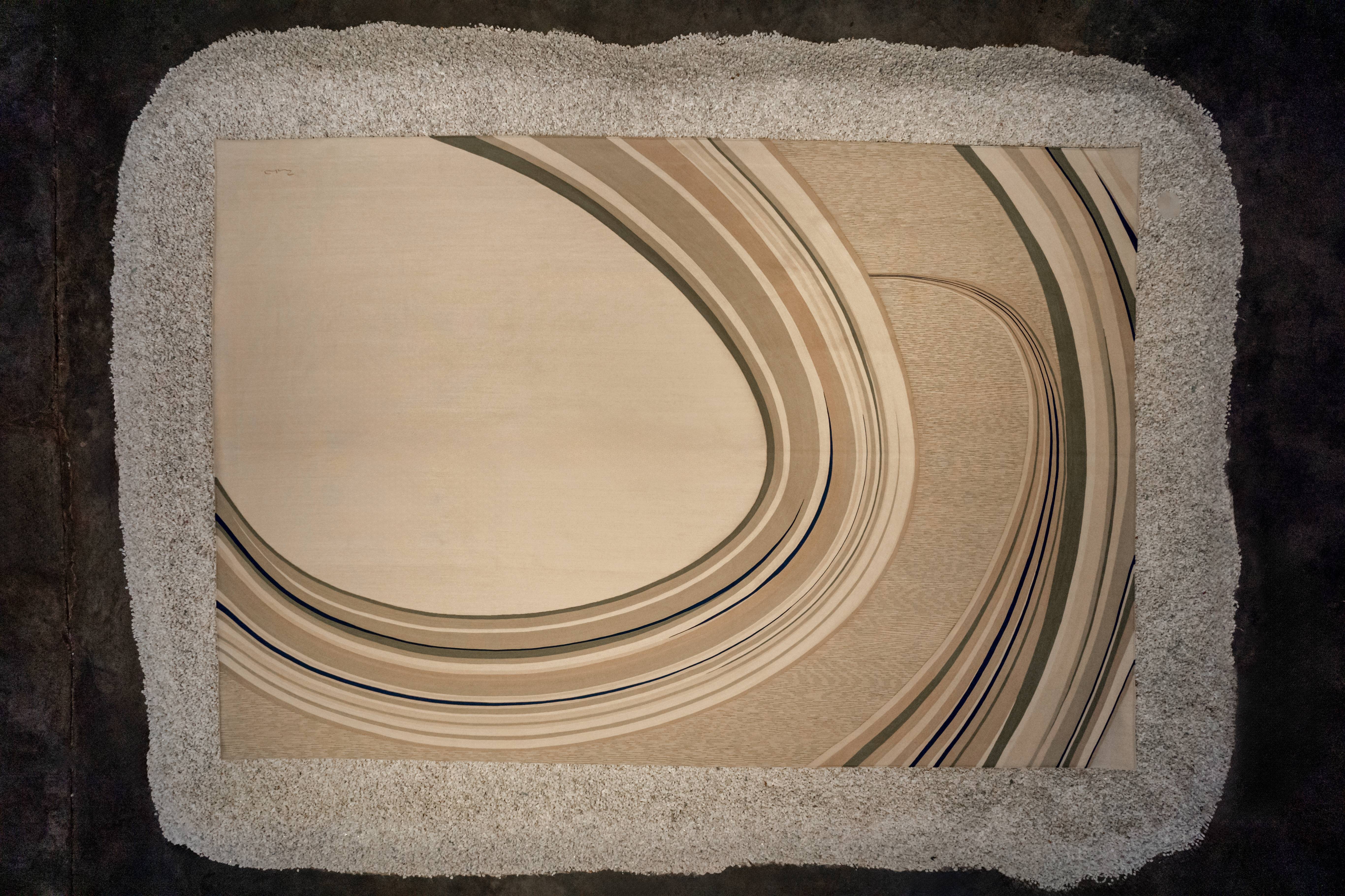
Hand-embroidered sheers introduced the suggestion of a forest within the industrial interior, filtering views between groups of furniture. Marble remnants from fabrication formed islands beneath the pieces, connecting the finished objects to their making. Mirrors revealed undersides and reflected surfaces, while lighting and a composed soundscape linked the settings. Together, these decisions established a pace for the exhibition, allowing visitors to move between an understanding of the collection and a close encounter with an individual piece.




















Let’s Talk
Start with a Conversation
Every space begins with a clear idea. Let’s define it together.